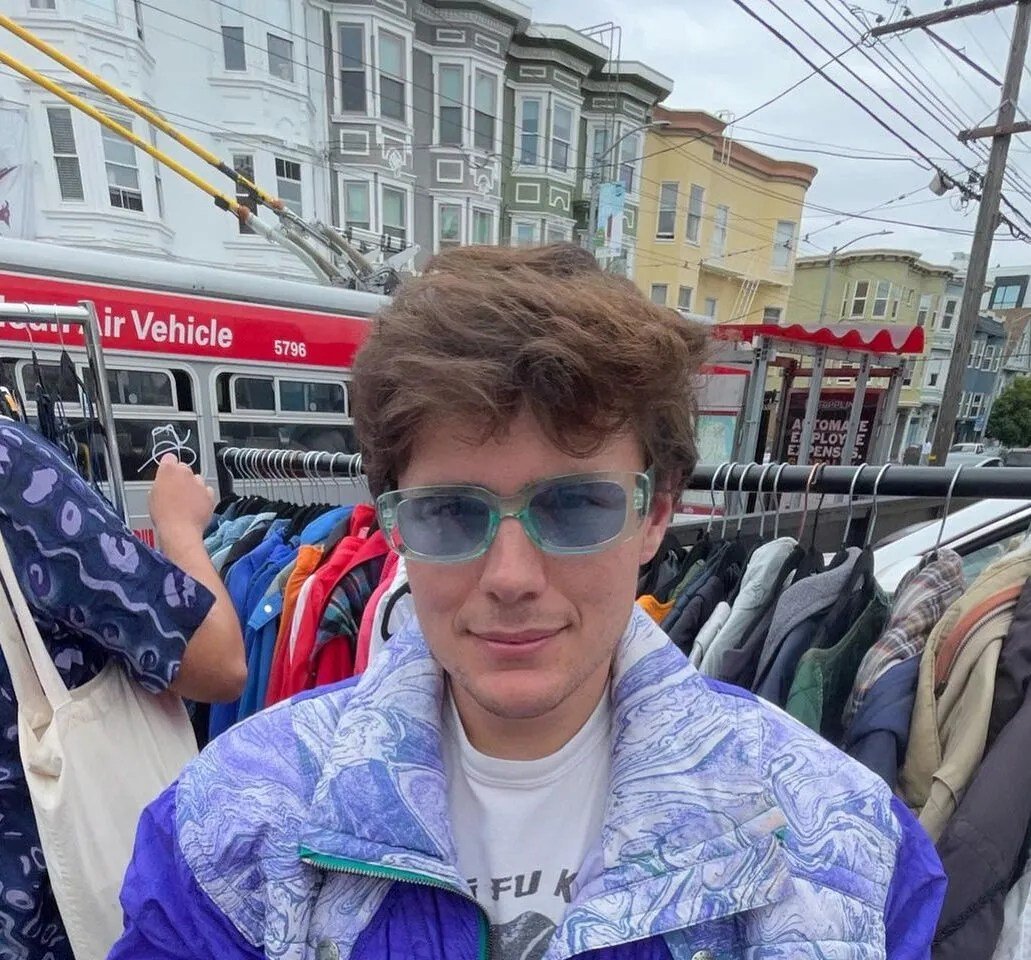
Robert Capron's Voice Acting Career Takes On Animated Characters
From the lovable, slightly naive Rowley Jefferson in the Diary of a Wimpy Kid franchise to bringing animated characters to life, Robert Capron's voice acting career has quietly established him as a versatile talent in Hollywood. While many recognize his face from live-action roles, his work behind the microphone demonstrates a nuanced understanding of character and vocal performance that often goes unheralded. It's a journey from child star to a seasoned voice artist, proving that a memorable voice can be as powerful as a compelling on-screen presence.
At a Glance: Robert Capron's Voice Journey
- Early Start: Began stage acting at age 8, developing a foundational understanding of character and delivery.
- Breakthrough Role: Gained widespread recognition as Rowley Jefferson in the Diary of a Wimpy Kid films, a role that honed his relatable, innocent vocal quality.
- Key Voice Roles: Notable animated performances include Bob in Tim Burton's Frankenweenie (2012) and Derek in Disney's Tarzan (2013).
- Multifaceted Talent: Balances voice work with live-action film and television, directing, producing, and screenwriting.
- Academic Pursuit: Studied film, theater, and screenwriting at Brown University, deepening his craft.
- Career Focus: Currently single and dedicated to his artistic development, continuously seeking new expressive avenues.
From Child Star to Vocal Talent: Robert Capron's Early Steps
Before he lent his voice to animated worlds, Robert Capron Jr. was already a familiar face on stage and screen. Born on July 9, 1998, in Providence, Rhode Island, Capron was practically destined for a career in the performing arts; both of his parents, Robert Capron Sr. and Kaye Capron, are actors themselves. He began his professional journey at the tender age of eight, treading the boards with the Trinity Repertory Company after-school drama program, making his debut as the Turkish Boy in 'A Christmas Carol'. This early immersion in live theater provided a crucial foundation, teaching him how to project, articulate, and embody characters with more than just facial expressions.
His film career quickly followed, starting with small speaking roles in films like 2009's Bride Wars and a minor appearance in Hachi: A Dog’s Tale. However, it was his casting as Rowley Jefferson, Greg Heffley’s endearing best friend, in the 2010 adaptation of Diary of a Wimpy Kid that truly launched him into the public eye. This role, which he reprised for two sequels, not only earned him a Young Artist Award nomination but also cemented his on-screen persona as a warm, slightly guileless, and thoroughly lovable kid. The vocal characteristics he developed as Rowley—a certain earnestness, a clear and often enthusiastic tone—would prove surprisingly transferable to the world of voice acting.
The transition from live-action acting, where physical presence and facial expressions are paramount, to voice acting, where only the voice carries the entire performance, is a subtle art. For Capron, his theatrical background likely provided an edge, teaching him how to convey emotion and intent purely through vocal modulation and delivery. It's a skill set that requires a deep understanding of rhythm, pitch, and inflection to create a character that resonates without visual cues.
You can explore more about his broader filmography and roles in live-action by looking at All Robert Capron movies.
Finding His Voice: Breakthrough Animated Roles
The true test of a voice actor lies in their ability to transform. For Robert Capron, two particular animated roles stand out, demonstrating his nascent talent and potential in the voiceover industry: Bob in Frankenweenie and Derek in Tarzan.
Bob in Frankenweenie (2012): A Character Study in Vocal Nuance
Tim Burton’s stop-motion animated film Frankenweenie provided Capron with one of his first significant forays into voice acting. Released in 2012, the film is a black-and-white homage to classic horror, centered around a young boy who reanimates his deceased dog. Capron voiced the character of Bob, one of Victor Frankenstein's classmates.
Bob is a slightly timid, somewhat portly boy, often seen accompanying Edgar "E" Gore. Capron’s vocal performance for Bob perfectly captured the character's earnestness and mild-mannered demeanor. His delivery was understated yet effective, helping to flesh out Bob as a recognizable archetype within the quirky, macabre world Burton created. It wasn't about over-the-top pronouncements, but rather a genuine, almost childlike quality that made Bob relatable despite the fantastical circumstances. This role required Capron to understand the precise timing and emotional restraint necessary for stop-motion animation, where every vocal inflection needed to align perfectly with the often subtle visual movements of the puppet characters. He didn't just speak lines; he gave Bob a distinct personality through his voice alone.
Derek in Tarzan (2013): Expanding His Range
Following Frankenweenie, Capron took on another animated challenge, voicing Derek in the 2013 animated film Tarzan. This iteration of the classic tale presented a more contemporary take on the jungle hero. While the film itself garnered mixed reviews, Capron's contribution as Derek offered a glimpse into his evolving vocal range.
Derek, often a friend or companion to the lead, required a different vocal texture and energy than Bob. While details on this specific iteration of Derek are less prominent than the iconic Tarzan characters, Capron's involvement indicates a continued interest and capability in delivering performances within diverse animated projects. It's likely his natural youthful voice and ability to convey a sense of genuine emotion made him a good fit for this type of supporting role, which often calls for a character that can be both vulnerable and spirited. This role further solidified his presence in the voice acting landscape, showing that his talent wasn't a one-off for a specific type of character but could adapt to different narrative styles and animated aesthetics.
These roles, while perhaps not as widely recognized as his on-screen presence, are crucial to understanding Capron's dedication to his craft. They highlight his ability to create compelling characters through voice alone, a testament to his versatility as a performer.
Beyond the Booth: Capron's Diverse Acting Portfolio
While Robert Capron's voice acting career offers a fascinating facet of his artistic journey, it's essential to contextualize it within his broader acting portfolio. Capron has never pigeonholed himself, continuously taking on varied live-action roles that demonstrate his range and commitment to storytelling in all its forms.
After his initial Diary of a Wimpy Kid success, Capron wasn't just auditioning for animated parts. He appeared in two episodes of The Haunting Hour in 2011, showcasing his ability to pivot to television. The acclaimed American comedy film The Way, Way Back, released in 2013, also featured Capron, allowing him to work alongside an ensemble cast and further hone his comedic timing and dramatic subtlety. These experiences provided a crucial counterpoint to his voice work, keeping his skills sharp and his understanding of performance well-rounded.
Later, Capron took on the role of Jake McFeeley in Annabelle Hooper and The Ghosts of Nantucket (2016), a family-friendly mystery adventure. This was followed by a more significant co-starring role as David Lewan in The Polka King (2017), where he shared the screen with none other than Jack Black. Working alongside seasoned actors like Black provides invaluable experience, exposing him to different acting styles and methods, which undoubtedly informs both his on-screen and voice performances. He also made an appearance in the procedural drama series Elementary, demonstrating his adaptability across genres from comedy to mystery.
This continuous engagement with live-action projects is vital. It means Capron isn't solely relying on his voice but is constantly developing his full acting instrument—understanding character motivation, reacting to scene partners, and working within different directorial visions. This holistic approach to his craft enriches his voice acting, allowing him to infuse animated characters with the depth and realism he cultivates in his live-action roles. The balance he strikes between these two worlds speaks volumes about his dedication to growing as an artist, rather than specializing too narrowly too early in his career.
The Actor's Evolution: Education, Craft, and Future
Robert Capron isn't just an actor who stumbled into a few roles; he's a student of his craft. This dedication is perhaps best exemplified by his decision to pursue higher education at Brown University, one of the nation's most prestigious institutions. As a freshman, he majored in film studies, theater, and screenwriting. This academic pursuit isn't just a sidebar to his career; it's an integral part of his artistic evolution.
Studying film provides Capron with a deeper understanding of cinematic language, storytelling structures, and the nuances of direction, all of which are invaluable to an actor. Theater studies refine his stage presence, vocal projection, and ability to inhabit characters in a live setting—skills that directly transfer to voice acting, where the performance often feels akin to a radio play. Screenwriting, meanwhile, gives him insight into character development, dialogue construction, and narrative arcs from the ground up, allowing him to approach scripts not just as a performer but as a storyteller. This comprehensive education equips him with a richer perspective on the entire creative process, making him a more informed and versatile collaborator.
His commitment extends beyond formal education. Living in Scituate, Rhode Island, Capron balances his professional endeavors with a variety of personal interests, including reading, writing, acting, swimming, playing video games, and tennis. These diverse activities suggest a curious and engaged mind, constantly seeking new experiences and knowledge, which are fertile ground for any artist. He remains focused on his career, suggesting an ambition that transcends fleeting fame. In 2019, Capron was 21, and with an estimated net worth of over $300,000, he appears to be making strategic choices to build a sustainable and meaningful career in the arts, rather than simply chasing the next big gig.
This focus on craft, continuous learning, and a multifaceted engagement with the arts positions Robert Capron for a long and impactful career, both on screen and behind the microphone.
Voice Acting as a Career Path: Insights from Capron's Trajectory
Robert Capron's journey into voice acting, while perhaps not overtly instructional, offers clear takeaways for anyone looking to make their mark in this competitive field. His path underscores the importance of a strong foundation, versatility, and a genuine passion for character work.
1. The Power of Early Development: Capron's start in theatrical performances at age eight wasn't just child's play; it was intensive training in vocal projection, emotional expression, and character embodiment without the crutch of close-up camera work. Aspiring voice actors should consider honing their skills in theater, improv, or public speaking. These disciplines teach you to use your voice as your primary tool for communication and storytelling.
2. Leveraging Your "Natural" Voice: Capron's on-screen persona as Rowley Jefferson was defined by a certain innocence and earnestness in his voice. Instead of trying to put on drastically different voices from the outset, he leveraged these authentic vocal qualities in roles like Bob in Frankenweenie. Often, your most unique asset in voice acting is your own natural speaking voice, imbued with character. Understanding and refining what makes your voice distinct is often more effective than attempting countless accents or impressions initially.
3. Versatility Across Mediums: Capron hasn't limited himself to voice acting; he continues to work in live-action film and television, and he's also involved in directing and screenwriting. This exposure to different facets of storytelling makes him a more rounded performer. Voice actors who can also act on stage or screen often bring a deeper understanding of character, pacing, and emotional truth to the recording booth. Don't silo yourself; explore all avenues of performance.
4. Education and Continuous Learning: Capron's academic pursuits in film, theater, and screenwriting at Brown University highlight the value of understanding the broader context of storytelling. Voice acting isn't just about reading lines; it's about interpreting a script, understanding a character's arc, and contributing to a larger artistic vision. Formal training in acting, voice modulation, or even creative writing can provide invaluable tools and insights.
5. Professionalism and Focus: Capron is noted as being single and focused on his career, maintaining an active but professional social media presence. In any acting field, professionalism, consistency, and dedication are paramount. Building a voice acting career requires persistent auditioning, networking, and a commitment to continuous improvement.
While the specifics of his "how-to" are implicit rather than explicit, Capron's career trajectory serves as a compelling example of how a multifaceted artistic foundation, combined with a willingness to explore different performance mediums, can lead to a rewarding voice acting career.
Frequently Asked Questions About Robert Capron's Voice Acting
Many people who remember Robert Capron from his iconic early roles often wonder about his career path and the extent of his voice work. Here are some common questions addressed directly:
Is Robert Capron still acting?
Yes, Robert Capron is very much still active in the entertainment industry. While he has been pursuing his education at Brown University, majoring in film studies, theater, and screenwriting, he continues to take on roles in film and television. His focus remains on developing his craft across various creative avenues, including acting, directing, and producing.
How did Diary of a Wimpy Kid impact his voice acting?
The Diary of a Wimpy Kid series, where he played Rowley Jefferson, had a significant impact on his career overall. It established his public persona and allowed a wide audience to become familiar with his distinctive, earnest, and often innocent vocal qualities. This established vocal identity likely made him a strong candidate for animated roles that required similar youthful or wholesome tones, such as Bob in Frankenweenie. His live-action success gave him a platform and reputation that undoubtedly opened doors to diverse acting opportunities, including voice work.
What kind of voice roles does Robert Capron prefer or typically get cast for?
Based on his known voice roles like Bob in Frankenweenie and Derek in Tarzan, Capron appears to be well-suited for roles that require a youthful, relatable, and often slightly innocent or earnest tone. These characters tend to be companions or supporting figures who add heart and warmth to a narrative. His natural voice lends itself to playing characters who are perhaps a bit naive, kind-hearted, or experiencing the world with a fresh perspective. As he continues to mature and develop his vocal range, it's possible he will explore a wider array of character types.
Is voice acting his primary focus now?
While voice acting is an important part of Robert Capron's diverse career, it does not appear to be his sole or primary focus. He continues to engage in live-action film and television projects, pursue his academic interests in film and theater, and explore other creative endeavors like screenwriting and directing. His career indicates a holistic approach to the arts, where voice acting is one of many valuable tools in his artistic toolkit.
The Next Chapter: Where Robert Capron's Artistic Journey Leads
Robert Capron Jr. is far from a forgotten child star; he's an evolving artist with a clear vision for his future. At 25 years old (as of 2023), he continues to reside in Scituate, Rhode Island, and remains deeply engaged with his craft. His time at Brown University, delving into film studies, theater, and screenwriting, signals a commitment not just to performing, but to understanding the entire ecosystem of storytelling. This academic rigor, combined with his practical experience since age eight, positions him uniquely in the industry.
Currently single and intensely focused on his professional and artistic development, Capron represents a new generation of talent that values both depth and versatility. His active presence on social media—with over 44.8k followers on Instagram and over 8,011 on Twitter—shows an understanding of modern engagement, allowing him to connect with fans and peers while maintaining his privacy regarding personal finances like salary, house, or car endorsements. Standing at 5 feet 8 inches, with brown hair and light brown eyes, he maintains a professional demeanor, allowing his work to speak for itself.
The story of Robert Capron's voice acting career is still being written. While his early animated roles provided a significant stepping stone, his ongoing dedication to honing his skills across live-action, voice, and behind-the-scenes work suggests a future brimming with diverse projects. Whether he's lending his distinctive voice to new animated characters, directing his own films, or captivating audiences on screen, one thing is clear: Robert Capron is an artist committed to the journey, and we're eager to see where his multifaceted talents take him next.